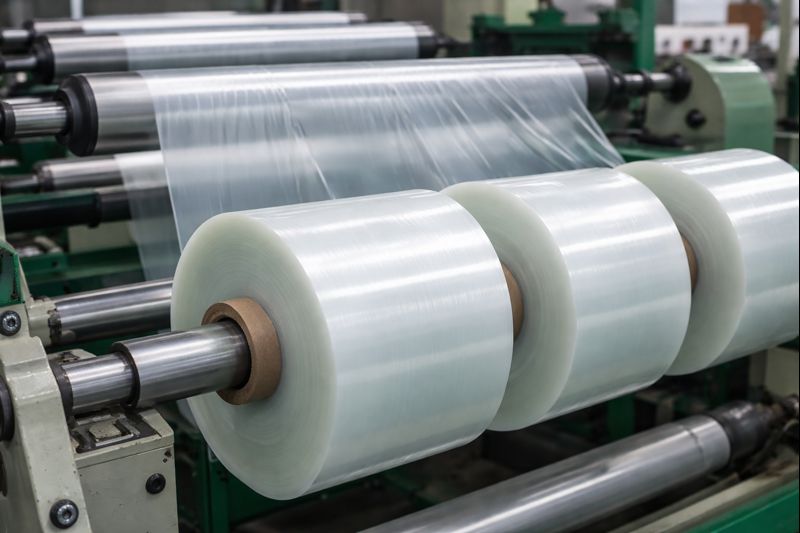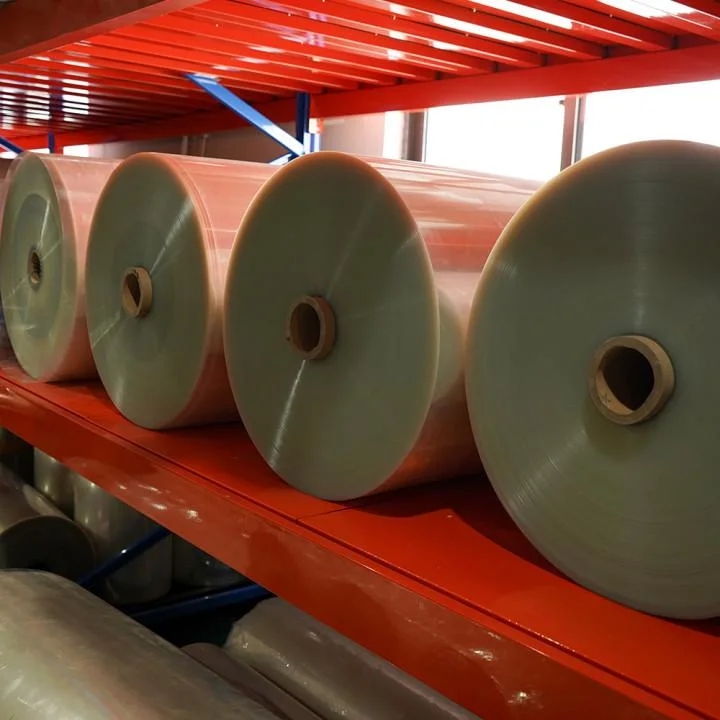
PAWNCHO™ raincoats are manufactured using a plant-based, compostable biopolymer film primarily composed of polylactic acid (PLA), a material derived from renewable agricultural resources such as corn starch. PLA is produced through the fermentation of plant sugars, resulting in a polymer that reduces reliance on fossil-fuel-based plastics while supporting the use of renewable feedstocks. This biopolymer foundation forms the basis of PAWNCHO™’s lightweight and environmentally considered material design.
To achieve the functional performance required for outdoor pet protection, the PLA base is blended with additional certified compostable polymers. These blends are engineered to improve flexibility, tensile strength, tear resistance, and water resistance while maintaining compliance with recognized compostability standards. This approach allows the material to perform reliably during real-world use without introducing conventional plastic additives that would compromise its compostable characteristics.
The resulting film provides a protective barrier against rain and moisture while remaining thin, lightweight, and comfortable for pets to wear. Unlike traditional plastic rainwear, the material is designed to move naturally with a pet’s body, minimizing stiffness, noise, and restriction. This balance of protection and comfort helps ensure that the raincoat remains practical for everyday walks, even when weather conditions change unexpectedly.
Under appropriate composting conditions, the compostable biopolymer material is designed to biodegrade into naturally occurring substances, including carbon dioxide, water, and biomass. The degradation process is driven by heat, moisture, oxygen, and microbial activity typically present in composting environments. When properly composted, the material is intended to break down without leaving behind persistent plastic residues or microplastics associated with conventional synthetic polymers.
Compostability claims for PAWNCHO™ materials are supported by independent third-party certifications. These include certification by the Biodegradable Products Institute (BPI), verifying compliance with ASTM D6400 standards for commercial composting; recognition by the Compost Manufacturing Alliance (CMA), indicating compatibility with real-world industrial composting facilities; and TÜV Austria’s OK compost HOME certification, which confirms the material’s ability to biodegrade in controlled home composting environments.
These certifications collectively demonstrate that the material meets established industry benchmarks for compostability when processed under defined conditions. Compostability performance depends on factors such as temperature, moisture levels, microbial activity, and composting duration. Because access to commercial or home composting systems varies by location, consumers are encouraged to follow local waste management guidelines to determine appropriate disposal methods and ensure responsible end-of-life handling.